November 2026

Categories
News

November 2026 Reminder

Categories
Parents Zone

The more mischievous a child is, the more vulnerable he or she is?

By: Family Dynamics Counseling Psychologist         Shelly Mok


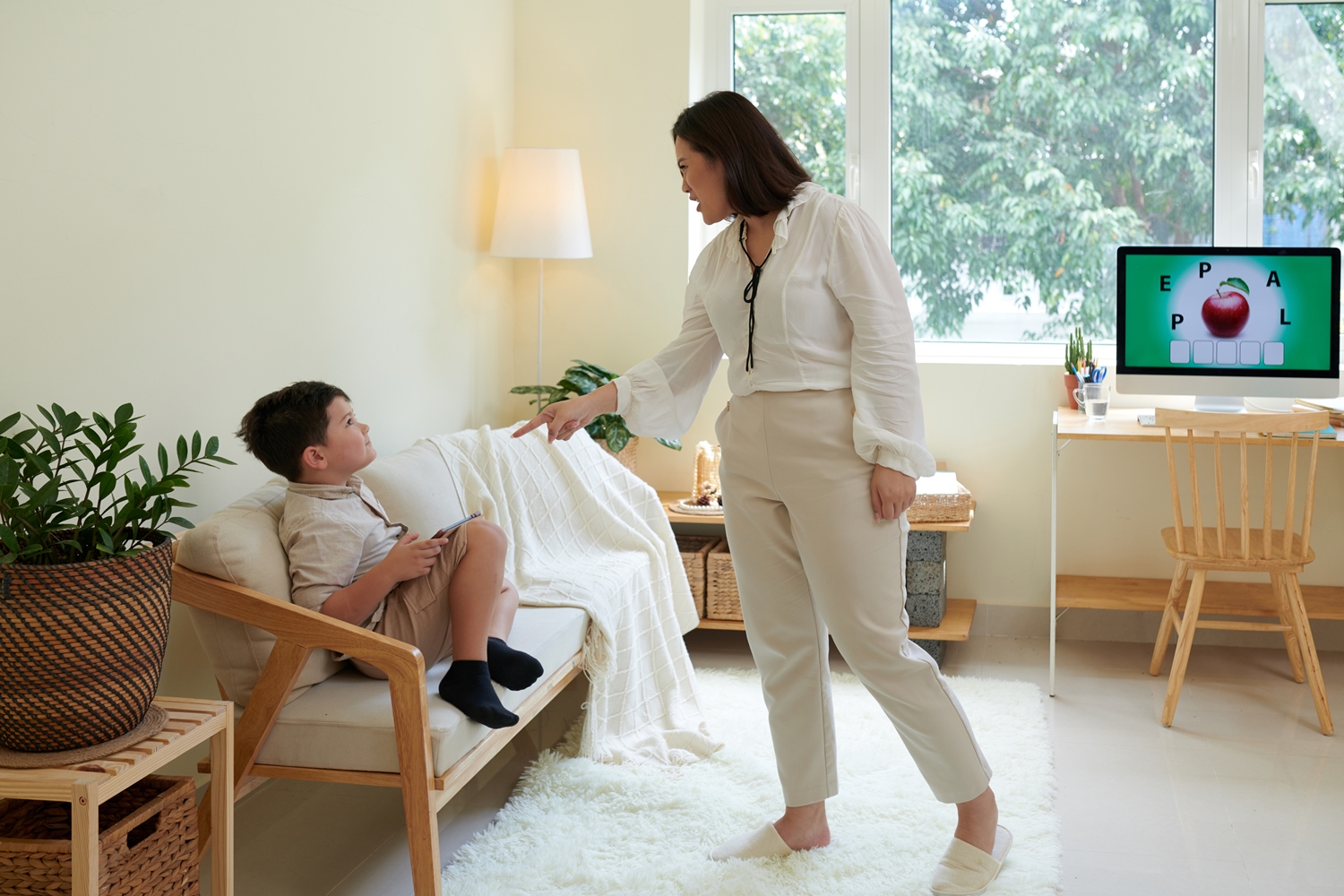
There is a famous picture book called “Little Mao Gets Into Trouble” in which the main character, Little Mao, often makes mistakes and gets into trouble. Whenever he gets into trouble, he always says loudly, “It’s not my fault,” “It’s not my fault,” “It was an accident,” or “It’s xxx’s fault,” and so on.

In reality, a child named Sheung Kit came to my counseling room to play therapy, and his personality was very much like Little Mao. To the class teacher and his parents, Sheung Kit was a child who “shirked his responsibility and refused to admit his fault”.

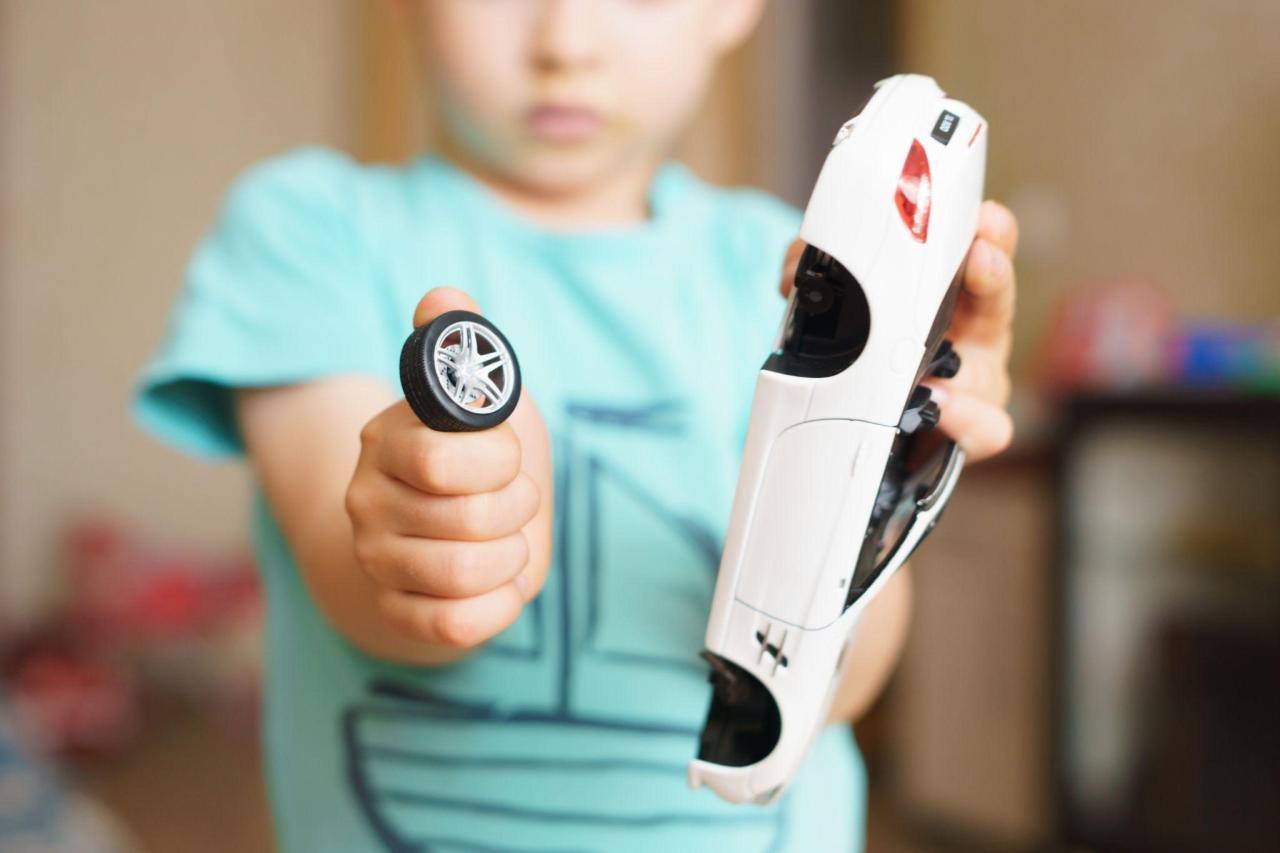
Once, after we had started play therapy for a while, he was playing with an ambulance in the playroom and accidentally broke the flashing light on the ambulance. Before I could say anything, Sheung Kit did his usual thing and said loudly, “It’s not my fault! and “I didn’t break it! After a while, I slowly said to him, “When toys are played with for a long time, they will be broken. When children are having fun, sometimes they will accidentally break their toys. Look, there is a box here, specializing in collecting broken toys, so that children who do not want to let them go, slowly and they say goodbye. If you want, you can put the ambulance in there.”

Sheung Kit didn’t say a word, looking down and playing quietly with other cars. After a while, he suddenly said to himself in a voice I had never heard before, very weak, “If it was the director of discipline, it would not have said so …… If it was the principal, it would not have said so. If it was mom ……” “Just now …… was I …… accidentally …… Sheung Kit’s voice was as weak as a mosquito.

What does it say about a child whose voice was so loud just now and suddenly becomes so weak?

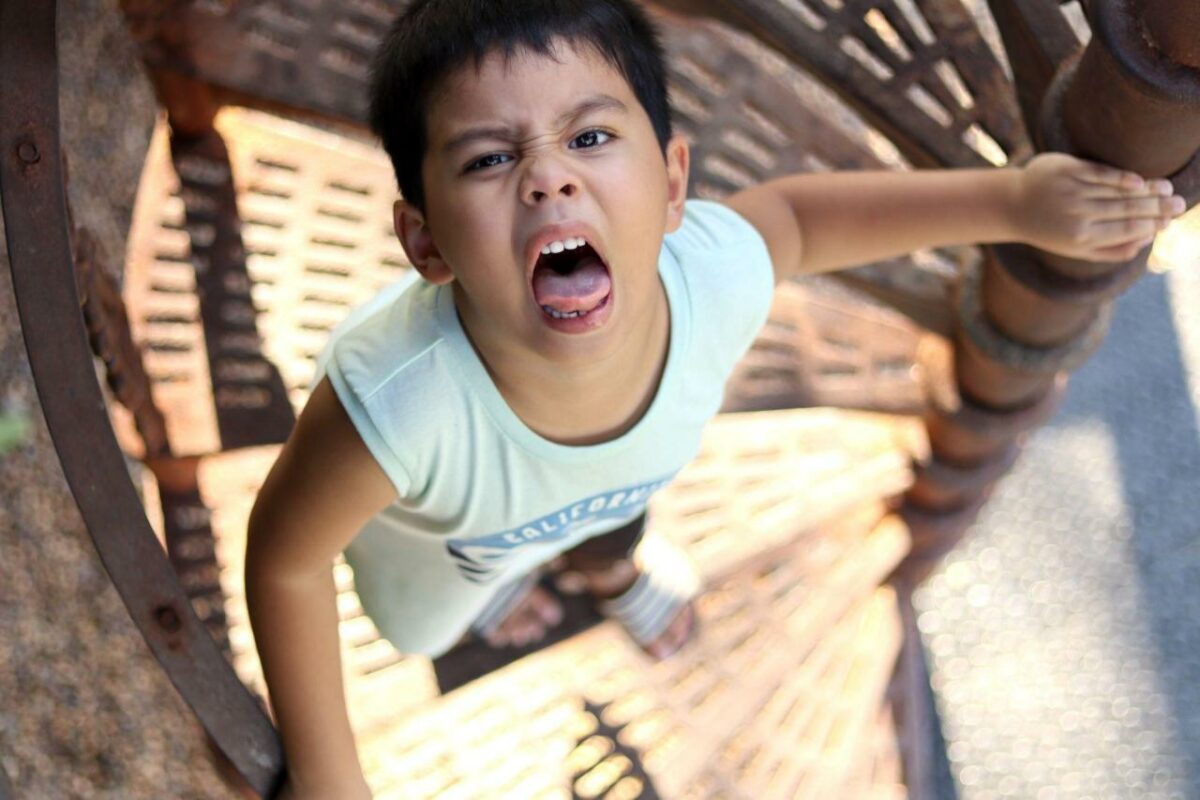
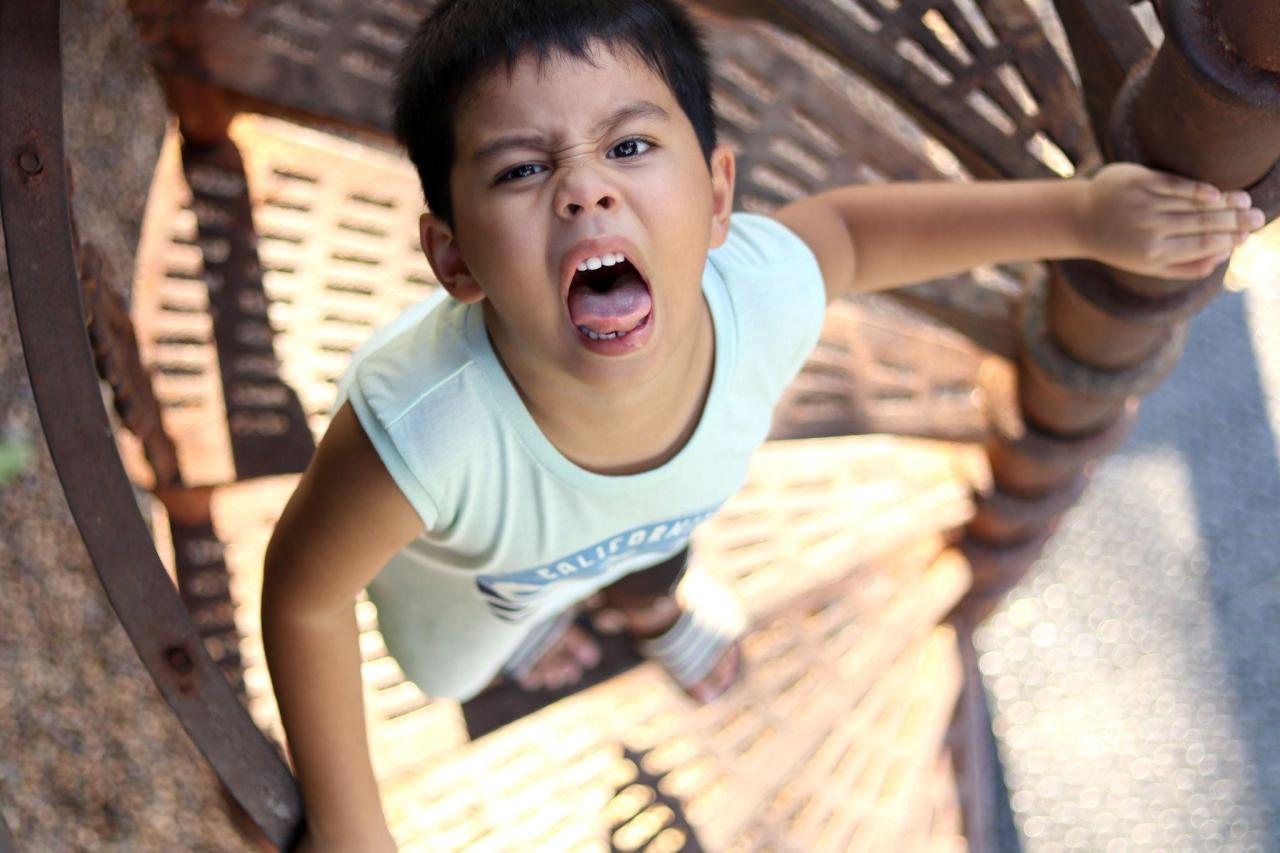
In fact, his voice is used to cover up his inner fears, insecurities, frustrations and low self-image. However, even though he knows he is wrong, he is unable to take responsibility for his actions because he is afraid and cannot bear the condemnation from others. As the saying goes, “A person with a broken mouth should not have a broken bowl”. It means that you should not mention people’s weaknesses to avoid their displeasure. In order to maintain his dignity, he makes the first move and fights back to defend himself, but the result is more punishment and reprimand, leading to an even lower self-image and a vicious cycle.

The more mischievous a child is on the surface, the more vulnerable he or she is on the inside. In the end, Sheung Kit, like Little Mao, only hopes that after he makes a mistake, his mother will still hug him and say, “Mommy loves you! With this acceptance, the child can regain his courage, say “I’m sorry” sincerely, and take responsibility for his own actions and life. No wonder the Little Mao series of books have been so popular with children!

As parents, they should have nothing against somebody. Accepting your child’s deviant behavior and setting boundaries is also an art.

Categories
Parents Zone

Children misuse drugs to cause poisoning?

Written by : Dr. Chiu Cheung Shing


During the epidemic, many parents are stocking up on medication at home, fearing that their family members or children will be infected and unable to go out to buy medication. However, if the medication is not stored properly, it is possible for children to be poisoned by taking the medication by mistake. A parent asked me, ” I have a friend’s child once took the medicine by himself and it caused poisoning, it’s terrible! What should parents do if their children are unfortunately poisoned by drugs? “

In fact, the most common route of poisoning for children is through the mouth, but some are through the respiratory tract, skin or injection. If a child has food poisoning or drug poisoning, it depends on what kind of food or drug was consumed. If it is something that burns (such as vinegar or alkaline food), the child’s reaction will be an immediate sore throat and ulcers, and he will feel very uncomfortable. However, if the wrong medication is taken in general, the child may not have an immediate reaction, but when the medication enters the stomach and starts to be absorbed, the body will start to react.

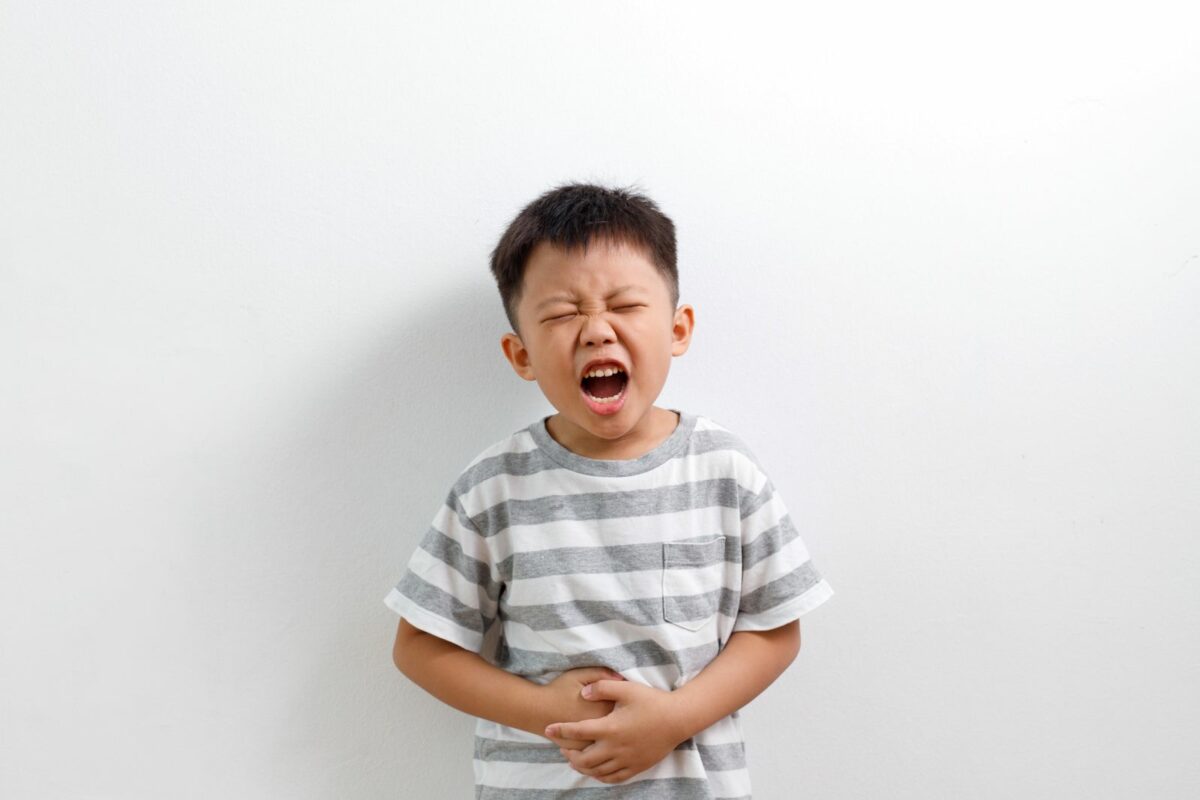
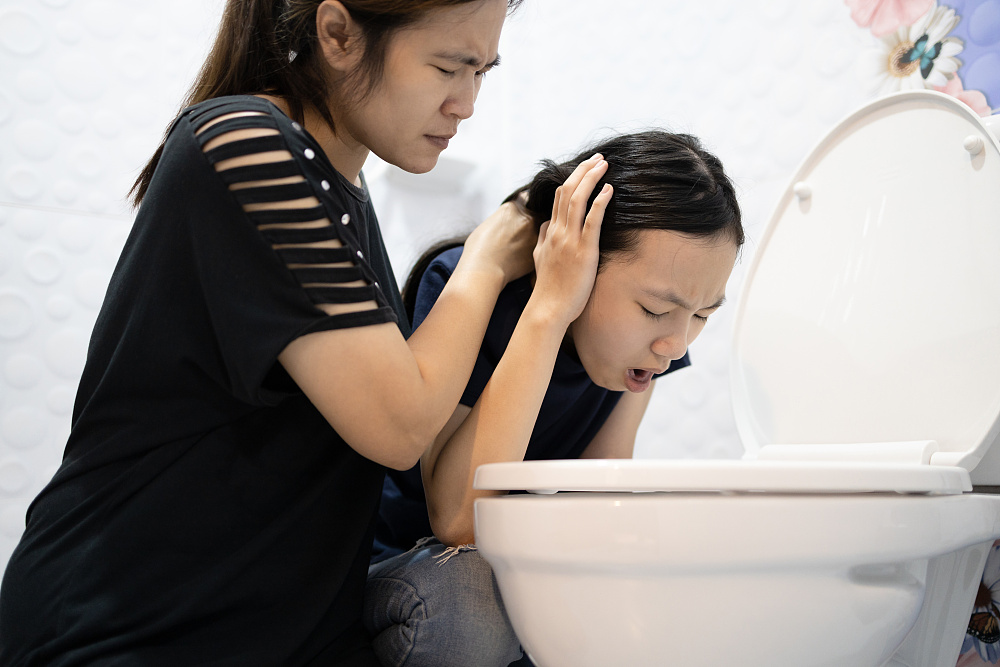
The reaction of children depends on the type of medication. For example, if he is taking a nasal medication, his reaction will usually be sleepy and drowsy; if it is a tracheal medication, his heartbeat will become faster. Some medications can cause stomach discomfort, belly pain, diarrhea, and even vomiting. If parents see something like this, they can hold the child’s head down and pat him on the back, hoping to cough up or vomit before the child swallows it completely.


If the medication has already entered the stomach, parents may not be able to help the child! Parents should not reach for their child’s throat, as this can easily choke the medication into the airway. The right thing to do is to seek medical help as soon as possible. Parents should also remember to bring along what you suspect your child may have taken wrong before going to the doctor, so that the doctor can prescribe the right medication.

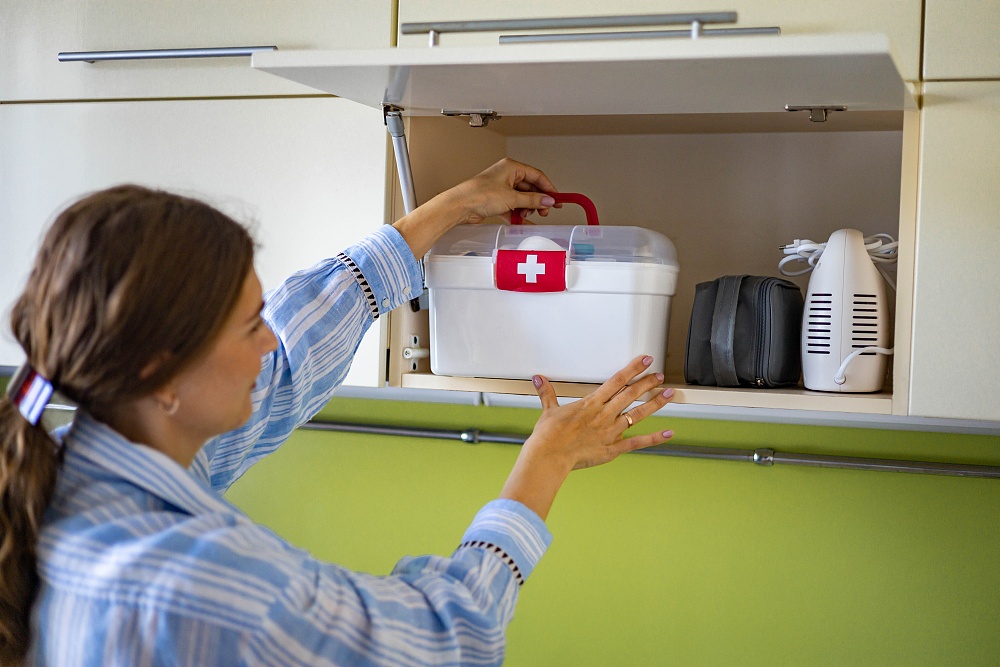
Here are some ways to prevent your child from taking medication incorrectly.

  1. Store medications properly and keep them out of reach of children.
  2. Have a safety cap on the medication (i.e., it needs to be pressed or twisted open)
  3. If there are older children, parents should teach them about the dangers of medications, such as not taking them recklessly or even feeding them to others.